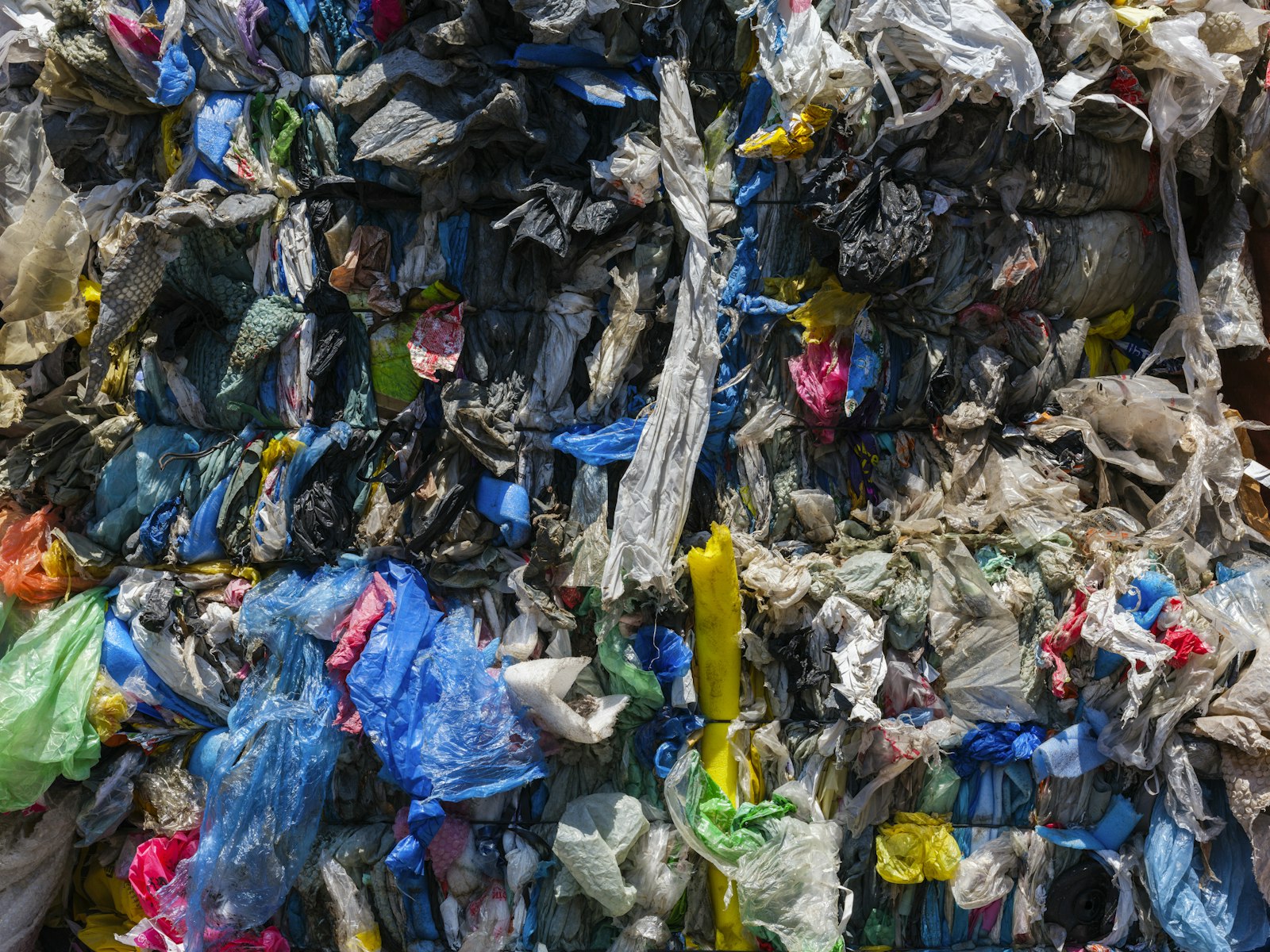
It's easy to think of landfill as a simple, cheap answer to waste — dig a hole, fill it, move on. In practice, landfill space is a limited and increasingly expensive resource, and the true cost of relying on it goes well beyond the municipal tipping fee.
Landfill space is running out
With an estimated 90% of South Africa's waste ending up in landfills and illegal dumpsites, existing sites fill up faster than new ones can be permitted and built. Many municipalities are already managing landfill sites well past their originally planned capacity, which pushes up costs and environmental risk over time.
Environmental costs that don't show up on an invoice
- Leachate — liquid that filters through waste and can contaminate groundwater if not properly managed
- Methane emissions from decomposing organic waste, a significant greenhouse gas
- Loss of usable land — landfill sites are rarely repurposed quickly once full
- Ongoing monitoring costs that continue for years after a site closes
Why diversion pays off
Every tonne of paper, scrap metal or garden waste diverted to recycling or composting is a tonne that doesn't need landfill space, doesn't generate methane, and — in the case of metal and paper — feeds real economic value back into recycling industries that support thousands of jobs.
This is part of why we route as much as possible toward recycling rather than treating every collection as a straight trip to the dump — it's not just about being environmentally minded, it's about not adding unnecessarily to a genuinely limited resource.