You don't have to sort everything perfectly before we arrive — that's part of what you're paying for. But a bit of prep on your side makes collection day faster, and it means more of what leaves your property ends up recycled instead of landfilled.
Start with four rough piles
- Garden rubble — branches, grass clippings, leaves, soil and general yard waste.
- Building rubble — bricks, rubble, sand, tiles, broken concrete.
- Scrap metal — old appliances, piping, fencing, tools, anything mostly metal.
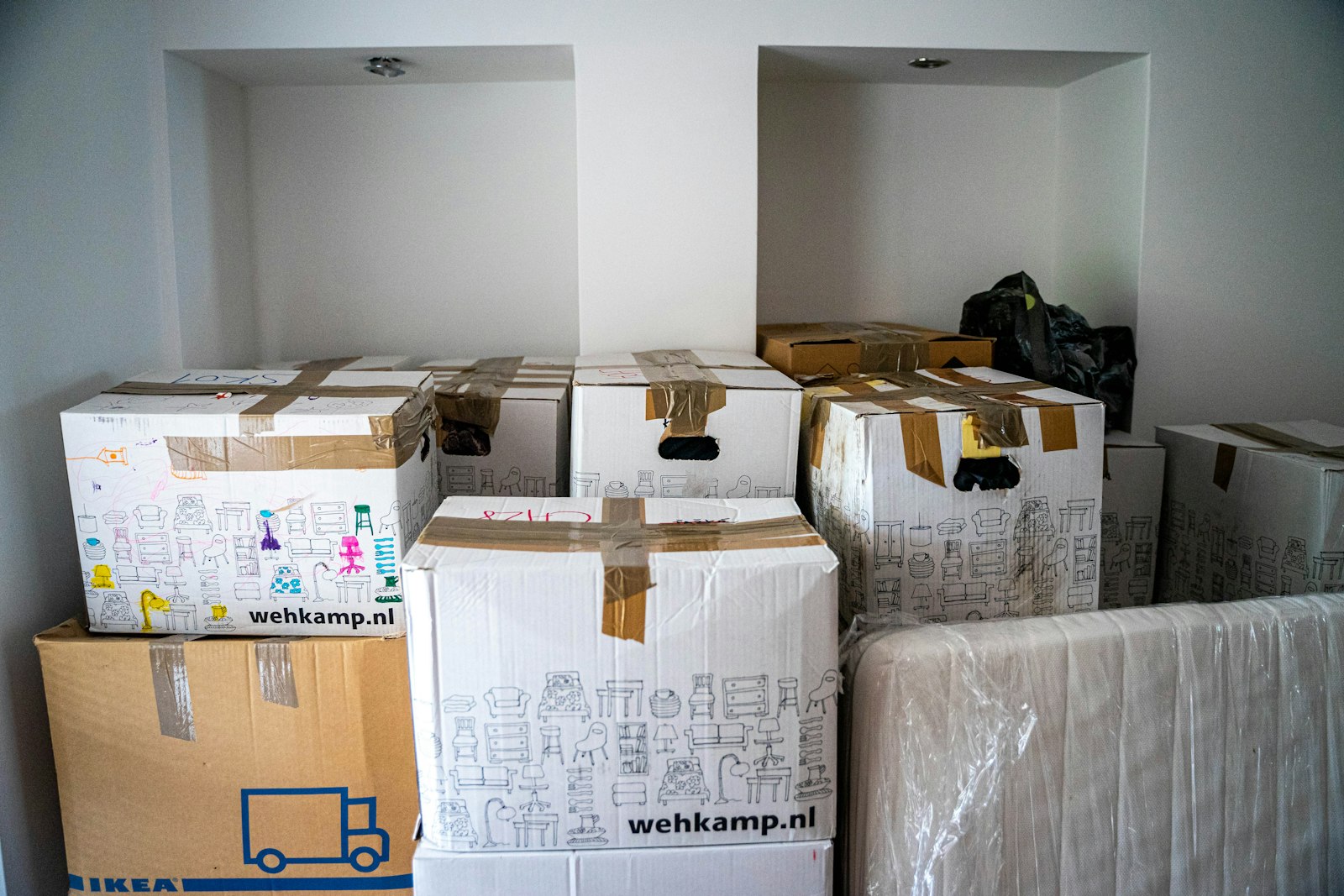
- Paper and boxes — newspapers, white paper, flattened cardboard boxes.
You don't need separate bins for each — even rough piles in different corners of the yard or site help our team load efficiently and route materials correctly once collected.
What to flag before we arrive
Let us know in advance if you have hazardous items (paint, solvents, batteries, gas cylinders) — these usually need separate, specialist disposal and aren't part of a standard rubble or scrap collection. Mentioning the rough volume (a few bags versus a full trailer load) also helps us bring the right vehicle.
Why sorting helps recycling rates
Mixed loads are harder to route to recycling — once building rubble, garden waste and scrap are tangled together, more of it tends to go straight to a general dumping site instead of being separated for proper processing. A little separation on your end means a better shot at keeping recoverable material out of landfill.
If you're not sure how to categorise something, just call Jo-Ann or Sarie before we arrive — we'd rather answer a quick question than have a job take longer than it needs to.