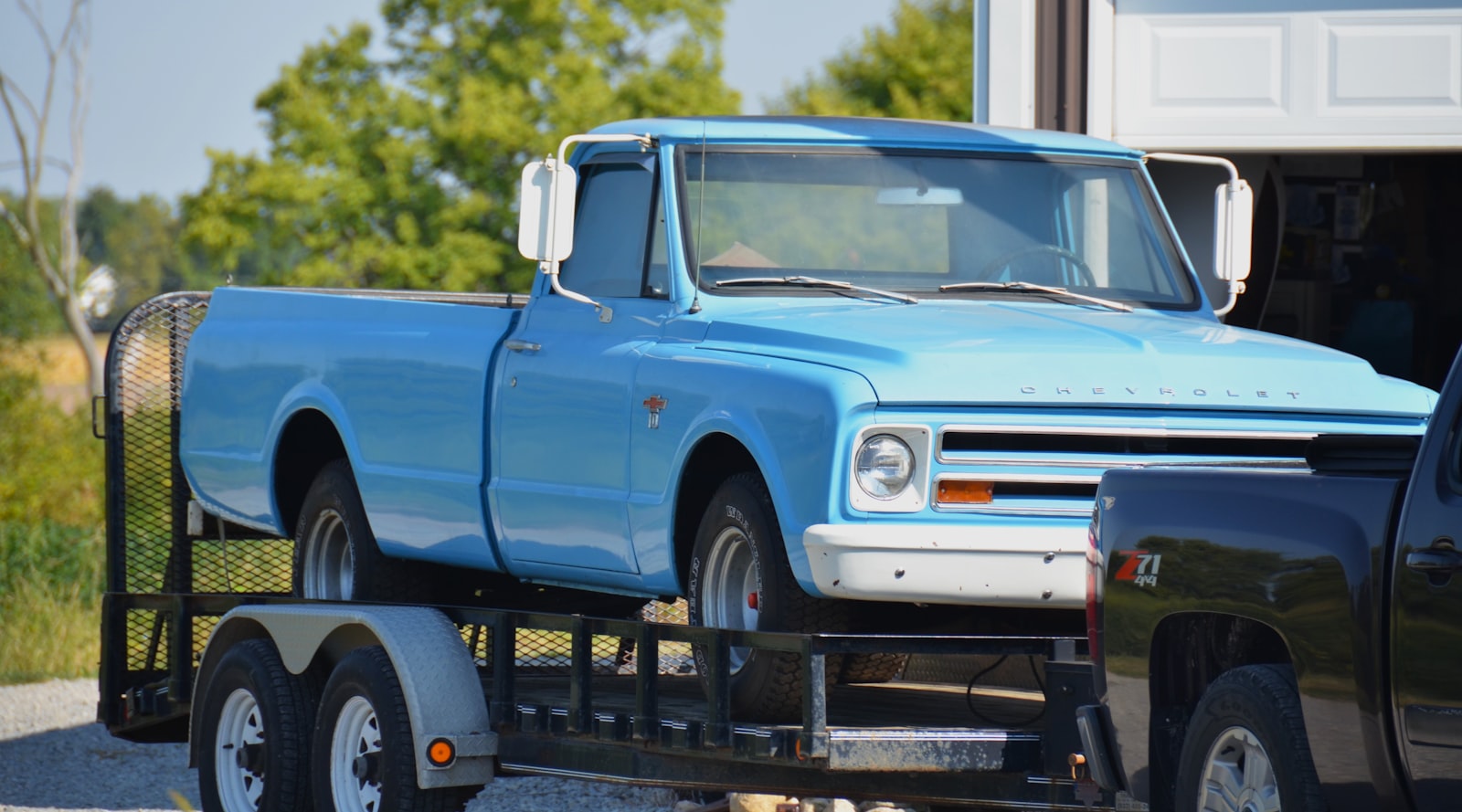
Loading rubble into your own bakkie and driving it to the dump yourself looks like the free option — but once you add up the real costs, it's often more expensive and more time-consuming than it first appears.
Costs that don't show up upfront
- Vehicle wear — rubble is heavy and abrasive, and repeated loads take a real toll on a vehicle not built for it
- Dump fees — many municipal and private disposal sites charge by load or weight, and these add up over multiple trips
- Time — loading, driving, unloading and repeating for multiple trips easily eats a full day for anything beyond a small job
- Fuel — multiple trips to a landfill or transfer station, especially from further-out properties, add up quickly
Risks worth considering
- Physical strain and injury risk from lifting heavy or awkward material without the right equipment
- Overloading a vehicle beyond its rated capacity, which is both unsafe and, in some cases, illegal
- Ending up at the wrong disposal site for certain material types (like builder's rubble versus general waste)
When DIY still makes sense
For genuinely small jobs — a single bag of garden trimmings, a couple of boxes — doing it yourself is fine. The maths shifts once you're looking at multiple trips, heavier material, or anything requiring a trailer.
When it's worth calling a pro
Once a job needs more than one vehicle trip, involves heavy building rubble, or you'd need to hire a trailer anyway, a proper rubble removal service is usually cheaper overall once you count your own time and vehicle wear — and it comes with responsible disposal built in, rather than a rushed decision about where to dump a full load.