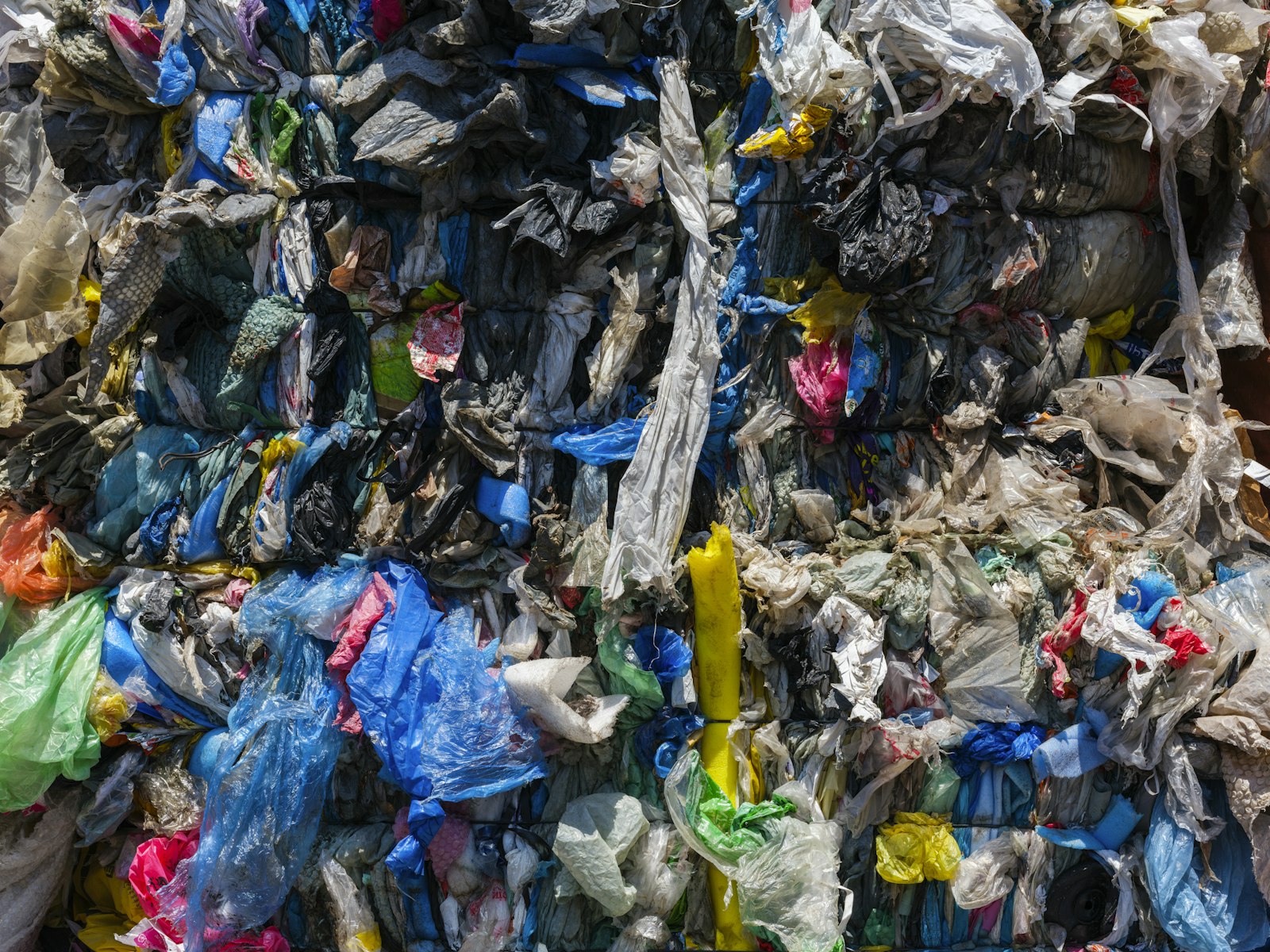
Drive through almost any South African town and you'll spot it: a pile of rubble or rubbish dumped on an open plot, a road verge, or near a river. Illegal dumping is common precisely because formal waste collection doesn't reach everyone, and dumping is free while proper disposal often isn't.
What illegal dumping actually does
- Contaminates soil — building rubble, paint and chemical residue can leach into surrounding ground.
- Pollutes water sources — dumping near rivers and stormwater drains sends waste directly into waterways during rain.
- Attracts more dumping — an existing pile tends to grow, since people assume the site is already an accepted dumping ground.
- Creates health and safety hazards — from broken glass and rusted metal to breeding grounds for pests.
Why it persists
With around 90% of South Africa's waste ending up in landfills and illegal dumpsites combined, and only 64% of households having access to formal waste management services, dumping often fills a real gap rather than reflecting pure carelessness. That's part of why affordable, on-call rubble and waste collection matters — it gives people and businesses a legitimate alternative that's about as easy as dumping illegally.
What responsible removal looks like
A proper rubble or waste removal service takes material to licensed municipal dumping sites or recycling facilities — not an open plot down the road. At J&S Transport, we route recyclable material (paper, boxes, scrap metal) toward recycling wherever we can, and dispose of the rest responsibly, rather than adding to the problem.