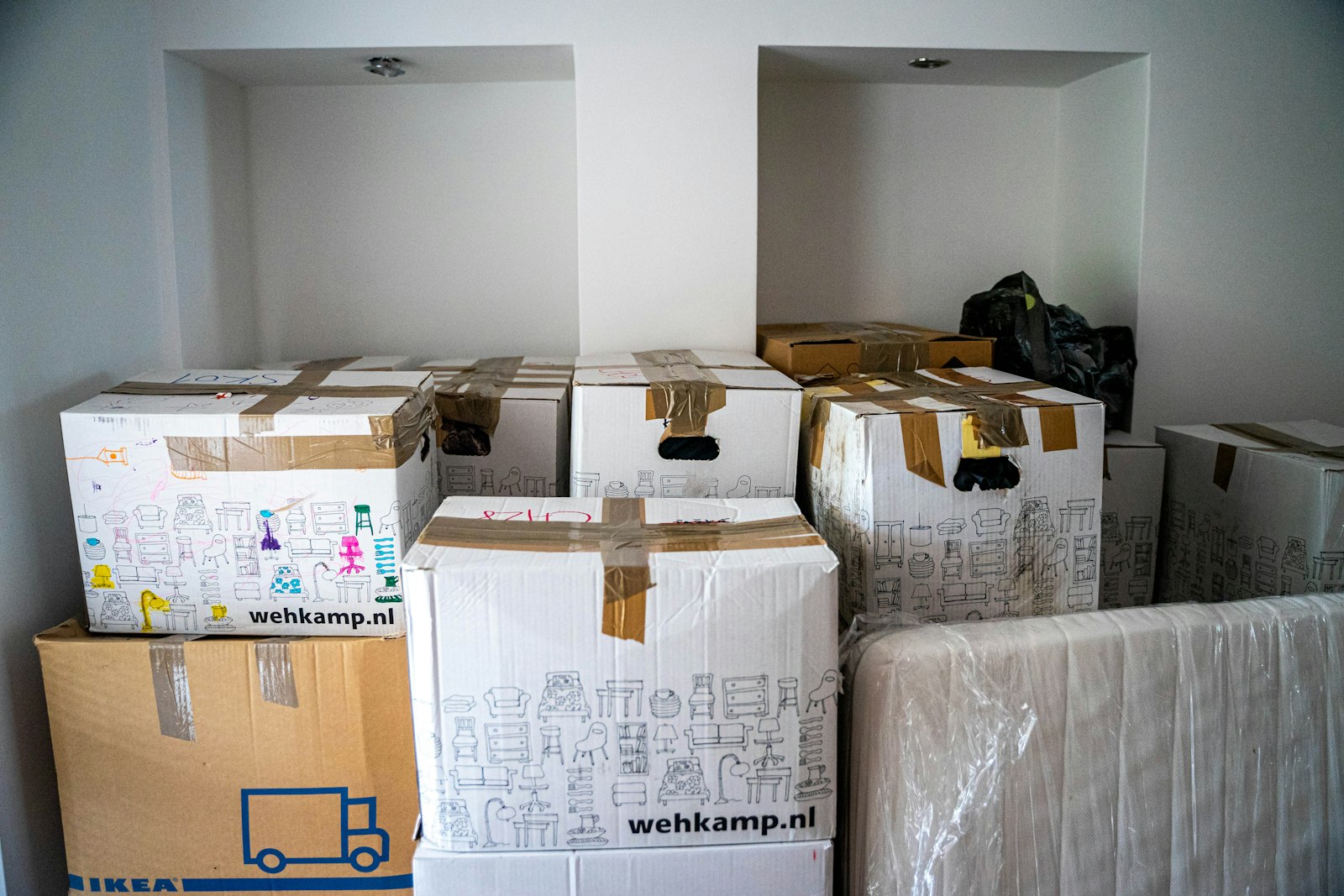
After a house move or a big delivery, cardboard boxes pile up fast. Here's where they actually go once collected.
Sorting and grading
Cardboard is generally sorted by type — corrugated cardboard (the stiff, ridged kind used for boxes) is processed differently to thinner paperboard (like cereal boxes). Contamination — tape, plastic labels, or food residue on boxes — can reduce recyclability, so a quick check before collection helps.
Baling and pulping
Like paper, sorted cardboard is baled and sent to a mill, where it's pulped with water and cleaned of contaminants such as tape and staples. The resulting pulp is then pressed into new sheets, which become new cardboard packaging.
Why flattening matters
Flattening boxes before collection isn't just tidiness — it means more cardboard fits into a single collection, which reduces the number of trips needed and makes the whole process more efficient. It also makes it easier to spot any non-cardboard packaging material mixed in.
Booking a box collection
Whether it's a one-off pile after a move or regular collection for a business that receives a lot of deliveries, we collect and route cardboard toward recycling rather than treating it as general rubbish. Just flatten what you can before we arrive.